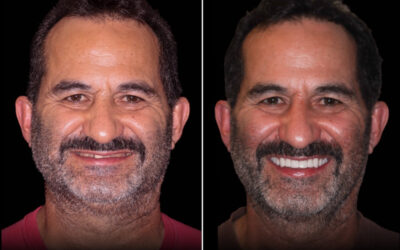
Dental crowns are a common restorative solution that can save teeth from damage and help restore function, comfort, and appearance. At Radiance Dental in Vancouver, WA, we provide dental crowns to protect compromised teeth and improve our patients’ smiles. But how do you know if you need a dental crown? Here, we’ll explain the common dental issues that may require a crown, and the signs to watch for that indicate this treatment could be right for you.
What Is a Dental Crown?
Before discussing the reasons you might need one, it’s important to understand what a dental crown is. A crown is essentially a “cap” that fits over your natural tooth, covering it completely. Made from durable materials like porcelain, ceramic, or metal, crowns restore the tooth’s shape, size, and strength while improving its appearance. Once bonded in place, crowns act like natural teeth, allowing you to chew, speak, and smile without discomfort.
Common Dental Issues That Require Crowns
There are many reasons why your dentist might recommend a crown. Some of the most common dental problems that can be treated with a crown include:
Cracked or Broken Teeth
Teeth can crack or break due to trauma, biting into something hard, or even weakening from decay. A crack in a tooth, especially one that extends below the gumline, can leave it vulnerable to infection and further damage. A crown not only restores the tooth’s appearance but also strengthens it, preventing the crack from spreading.
Many patients aren’t aware that cracks in teeth may not always cause immediate pain. Some fractures may only hurt when chewing or drinking something cold. However, waiting for pain to develop can sometimes lead to more invasive treatments like extractions or root canals. Acting early with a dental crown can save the tooth.
Large Fillings
Teeth that have been treated with large fillings, especially if the decay was extensive, can become weak over time. A filling might replace lost tooth structure, but it doesn’t provide the long-term strength a tooth needs to withstand the pressure of chewing. Over time, large fillings can lead to cracks, further decay, or breakage. A dental crown is a more durable solution that restores strength and function, reducing the risk of future problems.
Patients with older, large fillings sometimes notice discomfort when chewing or sensitivity to temperature. These can be warning signs that the filling no longer provides adequate protection, and a crown is the next step to preserve the tooth.
Severe Tooth Decay
When tooth decay reaches deep into the tooth, it can weaken the overall structure and threaten its integrity. In these cases, a filling might not provide enough protection. After removing the decayed portion, a crown is placed to restore the tooth’s function and appearance, preventing further decay or potential tooth loss.
Crowns are especially important for molars, as these teeth endure more force while chewing. Without a crown, a severely decayed molar is at risk of fracturing, which can lead to tooth extraction.
Root Canal Treatment
Teeth that have undergone root canal treatment are often more fragile because the pulp, which nourishes the tooth, has been removed. Without the added protection of a crown, these teeth can break under the pressure of daily use. A crown acts as a protective cover, restoring the tooth’s strength and functionality.
Patients are often concerned about the appearance of a crown after a root canal, especially for a front tooth. At Radiance Dental, we use natural-looking materials like porcelain or ceramic to match the color of your natural teeth, ensuring a seamless and aesthetically pleasing result.
Worn-Down Teeth
Some teeth can become worn down over time, whether from grinding (bruxism), acid erosion, or the natural aging process. When this happens, the teeth lose height and functionality, often leading to jaw discomfort or changes in bite alignment. Dental crowns can rebuild the structure and size of worn teeth, helping to restore a balanced, comfortable bite and reducing wear on other teeth.
People with worn-down teeth often suffer from headaches or jaw pain due to bite misalignment. By restoring the teeth with crowns, you improve aesthetics and protect your jaw health, potentially reducing pain associated with TMJ disorders.
Signs and Symptoms That You May Need a Dental Crown
Now that you know what a crown can do, how can you tell if you need one? Here are some symptoms to watch for:
Persistent Tooth Pain
Tooth pain is often a sign of damage or decay deep inside the tooth. If the pain is consistent, especially when biting down or chewing, a crown may be necessary to protect and restore the tooth. Pain that occurs when you release your bite, rather than when you close it, is a common sign of a cracked tooth that could benefit from a crown.
Sudden sensitivity to hot, cold, or sweet foods can also be an indicator of nerve exposure from damage or decay, which can often be solved with the placement of a crown.
Visible Cracks or Fractures
If you can see visible cracks or fractures in your tooth, it’s important to seek dental care immediately. Even if not causing pain, these cracks can weaken the tooth and lead to infections or more serious problems. A dental crown will prevent further damage and restore the appearance and strength of the tooth.
While hairline cracks may not seem alarming, they can allow bacteria to enter the tooth and cause infection. Sealing the tooth with a crown can prevent the need for more intensive treatments later.
A Large or Failing Filling
If you have an older filling that seems loose, worn or has fallen out, it’s time to visit your dentist. A failing filling leaves your tooth vulnerable to new decay or fractures. Instead of replacing the filling, your dentist may recommend a crown to give your tooth longer-lasting protection.
Sensitivity to Hot and Cold
Increased sensitivity to hot or cold foods is often an indication of enamel wear, cracks, or exposed dentin. If this sensitivity persists, a dental crown can help by covering and protecting the sensitive areas of the tooth.
Worn Teeth from Grinding
If you grind your teeth at night, your teeth may become flattened or shorter over time. This can affect the overall alignment of your bite and lead to joint pain or jaw issues. Crowns can rebuild your teeth and, when paired with a nightguard, help prevent further wear.
Why Choose Radiance Dental for Your Crown Treatment?
At Radiance Dental, we offer high-quality dental crowns tailored to each patient’s specific needs. Whether you’re dealing with a cracked tooth, severe decay, or general wear, our team is here to provide expert care. We use the latest technology and materials to ensure your crown is durable, comfortable, and aesthetically pleasing.
If you think you need a dental crown or are experiencing any of the symptoms mentioned above, don’t hesitate to reach out to us. Schedule a consultation today to protect your smile and restore your dental health.