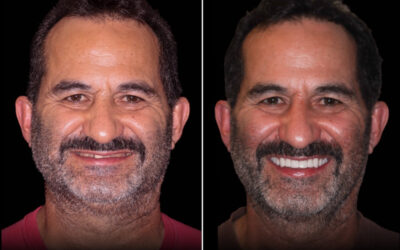
A confident smile is more than just a beautiful asset—it’s a significant part of our daily interactions and self-expression. Missing teeth can impact our confidence, the function of our bite, the alignment of surrounding teeth, and overall oral health. When it comes to restoring missing teeth, many people focus on how their smile will look. But beyond aesthetics, missing teeth can also create challenges in daily life— from eating to speaking confidently. For those in Vancouver, WA, dental bridges offer a solution that addresses both form and function, helping you regain a complete, natural-looking smile and the ease of everyday activities.
What Are Dental Bridges?
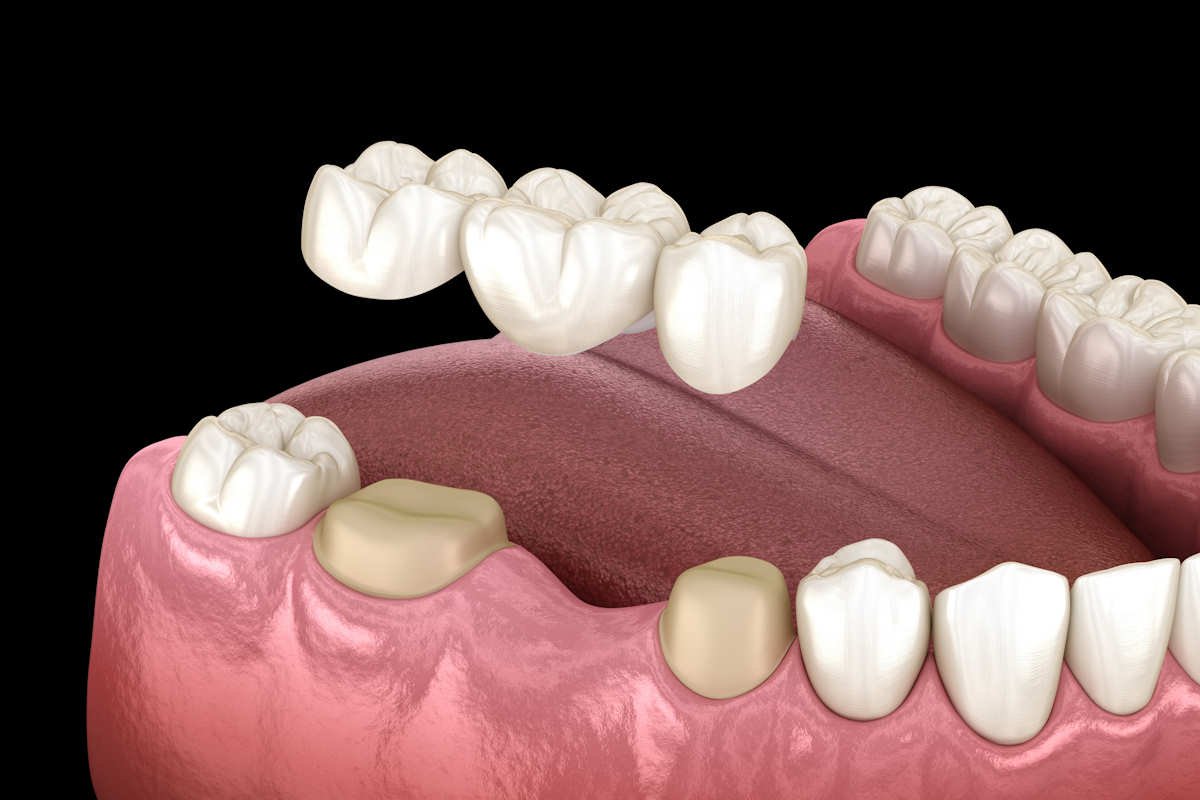
A dental bridge is an appliance designed to “bridge” the gap created by one or more missing teeth. The bridge typically consists of artificial teeth, known as pontics, anchored by crowns placed on the adjacent teeth, known as abutments. Bridges are often made from materials that closely mimic natural teeth, such as porcelain or ceramic, giving you a restoration that blends seamlessly with your smile.
Why Choose a Dental Bridge?
Dental bridges provide multiple benefits, making them a popular choice for patients dealing with tooth loss. Here’s what makes them a standout solution:
- Enhanced Aesthetics: Missing teeth can impact more than just a smile; they can also affect facial structure, leading to a sunken appearance. Dental bridges help fill in these gaps, restoring facial balance and the aesthetics of your smile.
- Functional Restoration: By filling the gaps in your mouth, a dental bridge restores your ability to chew and speak naturally. With a bridge in place, you can enjoy your favorite foods without worry and speak without slurring or mumbling.
- Preventing Shifting Teeth: Teeth adjacent to a gap may begin to shift, leading to alignment issues and bite problems. A bridge helps keep the surrounding teeth in their proper positions, promoting long-term oral health.
Types of Dental Bridges
When considering a bridge, you have several options, each tailored to different needs:
Traditional Bridges
Traditional bridges are the most common type and are usually made of porcelain or ceramic fused to metal. They involve creating crowns for the teeth on either side of the gap, with the artificial tooth or teeth attached in between. Traditional bridges are a popular choice because they provide excellent stability and durability.
- Best for: Patients with strong, healthy teeth on both sides of the missing tooth/teeth.
Cantilever Bridges
Cantilever bridges are used when only one adjacent tooth is available to support the bridge. This type requires a single crown to anchor the bridge, making it less common and usually reserved for specific cases.
- Best for: Situations where one side of the gap lacks a supporting tooth; not recommended for molar replacement due to potential stress on the supporting tooth.
Maryland Bridges
Maryland bridges, also known as resin-bonded bridges, consist of a metal or porcelain framework that holds the replacement tooth and is bonded to the back of adjacent teeth. Unlike traditional bridges, Maryland bridges don’t require crowns, making them a more conservative option.
- Best for: Patients looking for a less invasive option, especially for replacing front teeth; however, they may not be as durable for replacing molars.
Implant-Supported Bridges
Implant-supported bridges use dental implants instead of natural teeth to anchor the bridge. This option is particularly suitable for individuals missing multiple teeth in a row, as implants provide a highly secure and stable base.
- Best for: Those missing several teeth who want a permanent, stable solution; typically requires a more intensive procedure and longer healing time.
Is a Dental Bridge Right for You?
A dental bridge may be a good option if you’re missing one or more teeth. Ideal candidates are those with healthy surrounding teeth or individuals who may not be suited for dental implants. During a consultation at Radiance Dental, Dr. Bharathi can assess your oral health and recommend the most effective type of bridge for your needs, ensuring a treatment plan that aligns with your unique dental goals.
The Process of Getting a Dental Bridge
Understanding the process can help ease apprehension and clarify the steps involved if you’re considering a dental bridge. Here’s what you can expect:
- Consultation and Examination: Your dentist in Vancouver, WA, will evaluate your oral health, take X-rays, and determine if a dental bridge is suitable for you. During this visit, you’ll discuss the type of bridge that best meets your needs.
- Preparation: If a traditional or cantilever bridge is chosen, the supporting teeth will be reshaped to fit crowns. For implant-supported bridges, implants will be surgically placed and given time to integrate with the bone, which can take several months.
- Temporary Bridge Placement: While your permanent bridge is being crafted, your dentist may fit you with a temporary bridge to protect the area and allow you to function normally.
- Fitting the Permanent Bridge: Once ready, the dentist will place and adjust your permanent bridge to ensure a comfortable, accurate fit. Minor adjustments may be made over time to ensure it remains comfortable.
- Follow-Up: Regular follow-up appointments help monitor the bridge and ensure your surrounding teeth and gums stay healthy.
Caring for Your Dental Bridge
Maintaining your dental bridge is essential to maximize its lifespan. Here are some best practices to keep it looking and functioning like new:
- Regular Brushing and Flossing: Brush at least twice a day, and use specialized floss or a floss threader to clean around the bridge and prevent plaque buildup.
- Routine Dental Checkups: Schedule regular visits to your dentist for cleanings and checkups to monitor the health of your bridge and surrounding teeth.
- Avoid Hard and Sticky Foods: While bridges are durable, avoiding extremely hard or sticky foods can help prevent unnecessary stress on your bridge.
- Healthy Diet: A balanced diet supports oral health, providing essential nutrients for strong teeth and gums.
Why Vancouver Patients Trust Dental Bridges for Smile Restoration
Vancouver residents trust dental bridges for their versatility, effectiveness, and natural appearance. Whether your priority is enhancing your smile or restoring bite function, dental bridges provide a dependable solution. At Radiance Dental, Dr. Bharathi uses the latest techniques and technology to craft each bridge with precision and care, ensuring a durable and beautifully seamless result.
Reclaim Your Smile and Confidence at Radiance Dental
A dental bridge can be a transformative solution for those with missing teeth, offering both aesthetic appeal and essential functionality. If you’re considering a dental bridge in Vancouver, WA, we invite you to visit Radiance Dental. Our team is here to find the best solution for your smile, restoring not only your appearance but also your comfort and confidence.
For more information on how a dental bridge can benefit you, schedule a consultation with Dr. Bharathi and the Radiance Dental team today! We’re here to help you achieve a smile that looks great and supports your lifestyle.