Quick Summary
Bruxism, the clinical term for clenching and grinding, is more common than most people realize, and many who do it at night have no idea until a dentist spots the wear. Two findings matter most for treatment: a night guard protects your teeth from damage but does not stop the grinding itself, and a hard, custom guard tends to work better than a soft one, which can actually make some people clench harder. Sleep grinding is also linked to stress, certain medications, and sleep-disordered breathing, so the cause is worth investigating rather than guessing. Catching bruxism early, before it cracks a tooth or fails a crown, protects both your smile and your wallet. This guide explains the signs, the guard options, and what the evidence actually supports.
- A night guard protects teeth from wear but does not cure the grinding.
- Hard custom guards outperform soft ones, which can worsen clenching for some.
- Sleep grinding is linked to stress, certain medications, and sleep apnea.
- Untreated bruxism cracks teeth, wears enamel, and fails dental work.
How to tell if you grind your teeth at night
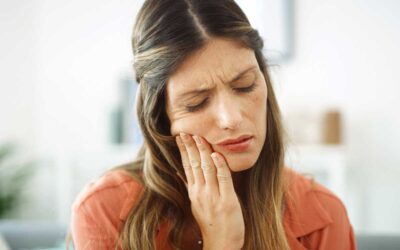
Most people who grind do it while they sleep, so the clues show up in the morning and at checkups rather than in the act itself. Waking with a sore jaw, a dull headache at the temples, or teeth that feel sensitive to hot and cold are common signals, and a partner who hears grinding at night is often the first to notice.
There are signs you can see, too. Flattened or chipped edges, fine cracks, and worn chewing surfaces all point to bruxism. It is also more widespread than people assume: research puts sleep grinding at roughly one in five adults and awake grinding even higher, and sleep-lab studies suggest self-reports undercount it because so many grinders never know. During a routine dental exam we look for these wear patterns specifically, since catching them early is far easier than repairing a fractured tooth later.
Awake grinding and sleep grinding are not the same
Bruxism comes in two forms with different triggers. Awake bruxism is the daytime clenching many people do under stress or concentration, the jaw tension you might catch yourself in while driving or working at a screen. It tends to respond to awareness and stress management.
Sleep bruxism is classified as a sleep-related movement disorder and is tied to brief arousals during sleep, which is why willpower alone does not fix it. The distinction matters because the two are managed differently, and because sleep grinding is the form most likely to do silent, cumulative damage and to overlap with other sleep issues.
What grinding does to your teeth over time

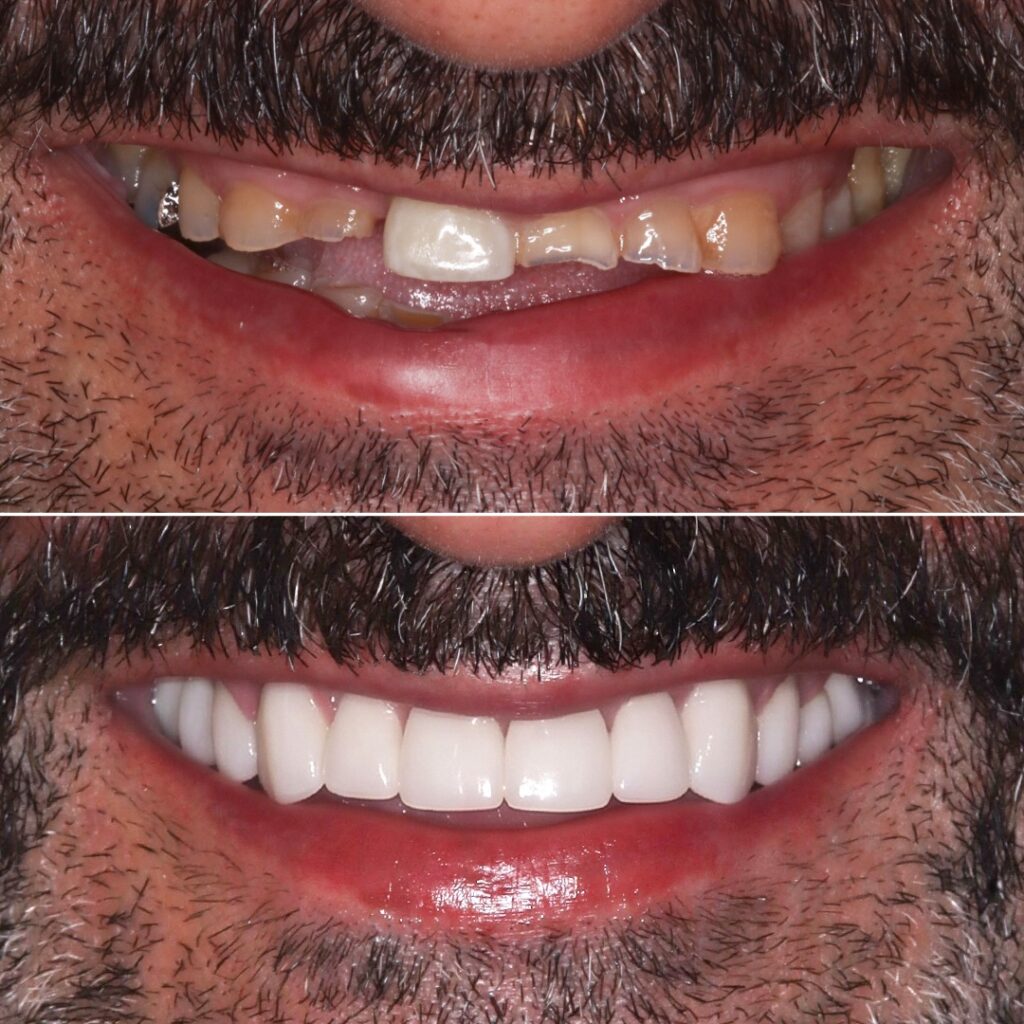
The damage from bruxism is cumulative. Enamel is the hardest tissue in the body, but it does not grow back, and years of grinding wear it thin. Once enamel is gone, teeth become sensitive, look shorter and more yellow as the darker layer beneath shows through, and chip more easily.
Heavy grinding also stresses existing dental work, loosening or cracking crowns, failing fillings early, and in severe cases leading to broken teeth that need a crown or more extensive repair. It is not a rare outcome: in a large population study, about half of people who grind weekly reported real consequences such as morning muscle pain or the need for dental work. Protecting teeth before that happens is almost always cheaper and simpler than rebuilding them afterward.
The night guard truth: protection, not a cure
Here is the point most articles get wrong. A night guard is highly effective at protecting your teeth, but it does not stop you from grinding. A Cochrane review of occlusal splints found the evidence does not support guards as a way to reduce the grinding itself, though they do help guard against tooth wear.
That distinction sets the right expectation. A guard is a shield that takes the force instead of your enamel and dental work, and it often eases morning jaw soreness by giving overworked muscles a rest. What it does not do is cure the underlying habit, which is why finding and addressing the cause still matters alongside wearing one.
Soft, hard, and custom guards compared
Not all guards are equal, and softer is not gentler. In a classic study, a soft guard reduced nighttime muscle activity in only one of ten patients and actually increased it in half of them, while a hard acrylic guard reduced activity in eight of ten. The likely reason is that a soft, springy surface invites some people to chew against it, while hard acrylic spreads the biting force more evenly.
Fit matters just as much as material. A drugstore boil-and-bite guard is cheap, but research on over-the-counter guards found that the large majority had fabrication errors that needed correction to be clinically sound. A guard made from impressions of your own teeth fits precisely, lasts longer, and is comfortable enough that you actually wear it. As Dr. Bharathi puts it, “The best night guard is the one a patient keeps wearing, and for heavy grinders that almost always means a hard guard made to fit their exact bite.”
When grinding points to something bigger
Because sleep grinding rides on nighttime arousals, it sometimes travels with other issues. Studies have found that roughly a third of people with obstructive sleep apnea also grind, and that snoring and apnea raise the odds of bruxism. The link is an association rather than proof of cause, but if you grind and also snore or wake unrefreshed, it is worth looking at the bigger picture of sleep and breathing rather than treating the grinding in isolation.
Medications and habits play a role too. Certain antidepressants are associated with higher rates of grinding, so if yours started around a new prescription, that is worth raising with your prescribing physician rather than stopping anything on your own. Alcohol, caffeine, and smoking are also linked to more grinding. None of these replace a guard, but addressing them is part of treating the cause, not just the symptom.
When to bring grinding up at your Camas dental visit
If you wake with jaw soreness or headaches, notice new sensitivity, see flattened or chipped edges, or a partner hears you grinding, those are all reasons to mention it. Bruxism progresses quietly, so the sooner we catch it, the less repair it requires.
At Radiance Dental in Camas, we check for wear at every routine cleaning and can take impressions for a custom guard when one is warranted. Treating the grinding early protects the teeth you have and helps the dental work you have already invested in last longer.
Protect your smile from nighttime grinding
If you think you might be grinding your teeth, do not wait for a cracked tooth to find out. Contact Radiance Dental in Camas to have your bite checked and ask about a custom night guard fitted to protect your smile.
Sources
Macedo CR, et al. Occlusal splints for treating sleep bruxism, Cochrane Database of Systematic Reviews: https://www.cochranelibrary.com/cdsr/doi/10.1002/14651858.CD005514.pub2/full
American Academy of Sleep Medicine, Sleep Education, Bruxism: https://sleepeducation.org/sleep-disorders/bruxism/
American Dental Association, MouthHealthy, Teeth Grinding (Bruxism): https://www.mouthhealthy.org/all-topics-a-z/teeth-grinding
Zielinski G, et al. Prevalence of awake and sleep bruxism (meta-analysis), J Clin Med, 2024: https://pmc.ncbi.nlm.nih.gov/articles/PMC11278015/