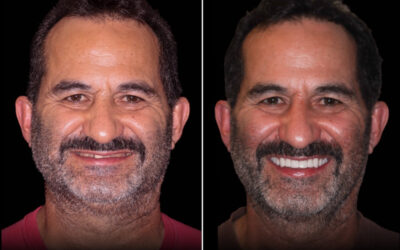
Short answer: oftentimes, yes. Whether you need a crown after a root canal depends on which tooth was treated, how much healthy structure remains, and how your bite loads that tooth. This guide explains what to expect and why a crown may be recommended by our team at Radiance Dental in Camas, serving nearby Vancouver and the greater Clark County community.
Many back teeth need a crown after a root canal because chewing forces can crack thin walls. Front teeth with strong remaining enamel and a small access opening may do well with a bonded filling. Dr. Bharathi confirms the choice after checking remaining wall thickness, any cracks, your bite, and imaging. For details about our approach, see our page on Root Canals.
Why Crowns Are Common After Root Canals
A root canal removes infected nerve tissue and preserves your natural tooth. The tradeoff is that the tooth is more brittle and often already weakened by decay or cracks. A dental crown surrounds the tooth, restores strength, seals the interior, and lowers the chance of future fractures or reinfection.
Crowns are likely when:
- The tooth is a molar or premolar that handles heavy chewing
- There was a large cavity, large filling, or broken cusp
- Cracks are present or suspected
- A post and core is required to rebuild missing structure
How a crown reduces problems down the road:
- Distributes bite forces more evenly across the tooth
- Seals the tooth to keep out bacteria and acids
- Replaces missing anatomy so your bite feels natural again
Example:
If a lower molar had deep decay, the canals were cleaned and a temporary filling was placed. That molar takes the load every time you chew. Thin walls or missing cusps can flex and split. A crown covers those thin areas and turns a high risk tooth into a dependable chewing surface again.
When You Might Not Need a Crown
Front teeth do not absorb the same crushing forces as back teeth. If very little tooth was removed to access the canals and the remaining enamel is thick, a strong bonded filling can be enough.
Crowns are sometimes optional when:
- The tooth is a front tooth with minimal loss of structure
- There are no cracks and the bite is light on that tooth
- Margins can be sealed well with a conservative restoration
What we evaluate for a no crown plan:
- Thickness of the remaining walls
- Presence of craze lines or hidden cracks on transillumination or 3D imaging
- Your bite pattern and any history of chipping front teeth
Example:
An upper lateral incisor with a small access opening, strong enamel, and no cracks can often be finished with a bonded composite or a conservative porcelain restoration instead of a full crown.
Tooth Type Matters
| Tooth | Typical Recommendation | Reason |
| Molars | Crown is strongly recommended | Highest chewing forces and common cusp fractures |
| Premolars | Crown is usually recommended | Moderate forces and narrow tooth shape increase fracture risk |
| Canines | Case by case | Lower fracture risk, but long roots can mask cracks, so careful evaluation matters |
| Incisors | Often no crown if structure is sound | Lower bite forces and simpler anatomy |
What this means for you:
Back teeth are the engine of chewing, so they need full coverage more often. Front teeth are the steering and the smile, so conservative options can work when structure is intact.
Other Factors Dr. Bharathi Considers
- Remaining tooth structure: Thick walls support a filling. Thin walls benefit from full coverage.
- Cracks: Even hairline cracks raise the chance of future breakage. A crown can help splint the tooth.
- Bite and habits: Nighttime clenching, grinding, or chewing ice increase the need for reinforcement.
- Previous dental work: Large fillings or repeated repairs weaken support.
- Gum and bone health: Strong gum support around the roots improves outcomes for both fillings and crowns.
- Aesthetics: Some teeth darken after treatment. A ceramic crown can restore color and shape.
What To Expect in Vancouver and Camas: From Root Canal To Final Crown
Root canal care at Radiance Dental is coordinated so you understand each step before treatment begins. In most cases, Dr. Bharathi completes the root canal and starts the crown on the same day, which protects the tooth right away and reduces the number of visits.
Visit 1: Same-day root canal and crown preparation
- Tooth is fully numbed for comfort
- Infection is cleaned from the canals and the canals are sealed
- A protective build up is placed if a lot of structure is missing
- The tooth is shaped for a precise crown fit
- Shade is selected and a digital scan or impression is taken
- A well fitting temporary crown is placed before you leave
Visit 2: Crown delivery
- The final crown is tried in and checked for fit, bite, and color
- Once approved, it is bonded or cemented and polished
Some situations may require an extra check visit or adjusted timing based on healing, tooth location, or the materials chosen. Dr. Bharathi will outline the plan that fits your tooth and schedule.
Crown Materials in Plain English
- All ceramic or zirconia: Strong, natural looking, and metal free. A good choice for most back and front teeth.
- Porcelain fused to metal: Time tested option sometimes used when extra strength is needed.
- Gold alloy: Durable and gentle on opposing teeth. Popular for molars when appearance is not a concern.
We match the material to your bite, the location of the tooth, and cosmetic goals. Many patients prefer options that balance strength with a natural look.
Timing: How Soon Should The Tooth Be Covered?
Do not delay the final restoration. A temporary filling or temporary crown is a short term solution.
- Back teeth: Aim to complete the crown within a couple of weeks once you are comfortable.
- Front teeth: If a crown is not needed, schedule the bonded restoration or veneer promptly to seal and strengthen the area.
Waiting increases the risk of a crack that could make the tooth nonrestorable.
Crown vs Onlay After a Root Canal
An onlay is a conservative porcelain or composite restoration that covers one or more cusps without wrapping the entire tooth.
Onlay may be a fit when:
- One or two cusps are missing but remaining walls are thick
- No cracks extend toward the root
- Your bite is well balanced
Crown is preferred when:
- Multiple cusps are thin or missing
- Visible cracks threaten the core of the tooth
- You clench or grind and need full coverage
Cost, Insurance, and Payment Options
A crown is billed separately from the root canal. Many plans cover part of both services when medically necessary. Coverage varies by plan, waiting periods, and annual maximums. Our team provides a written estimate, checks benefits in advance, and can discuss monthly payment options if helpful.
A crown lowers the risk of losing the tooth and needing an implant later. That prevention benefit is often the main reason dentists recommend it on back teeth after a root canal.
Care After Treatment
- Avoid chewing hard foods on the temporary
- Brush twice daily and floss carefully around the margins
- Use a night guard if you clench or grind
- Keep regular cleanings and exams to monitor the seal and bite
Signs to call us:
Persistent ache beyond a few days, bite that feels high, loosened temporary, rough edge catching floss, or swelling around the gums.
People Also Ask
Do all root canals need a crown
No. Back teeth often do, front teeth sometimes do not. The decision depends on remaining structure, crack risk, and bite forces.
How long can I wait to get my crown after a root canal
Waiting raises fracture risk on back teeth. Plan the crown as soon as you are comfortable, usually within two weeks.
How long will a crown last after a root canal
Many crowns last ten years or more with daily brushing, flossing, and routine cleanings. Night guards help if you clench.
Will insurance cover the crown after a root canal
Most plans cover part of both services when medically necessary. You will receive a written estimate before treatment begins.
Local, Patient First Care
If you live or work in Vancouver, Camas, East Vancouver, Fisher’s Landing, or nearby neighborhoods, Radiance Dental makes it simple to complete care from root canal to final restoration. Dr. Bharathi will show you your imaging, explain your options in plain language, and help you choose the safest, most durable restoration for your smile. Contact us to reserve a time that fits your schedule.