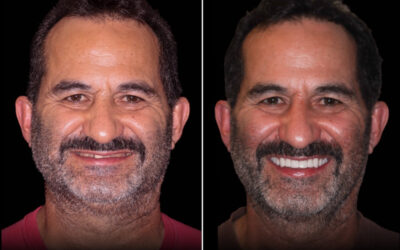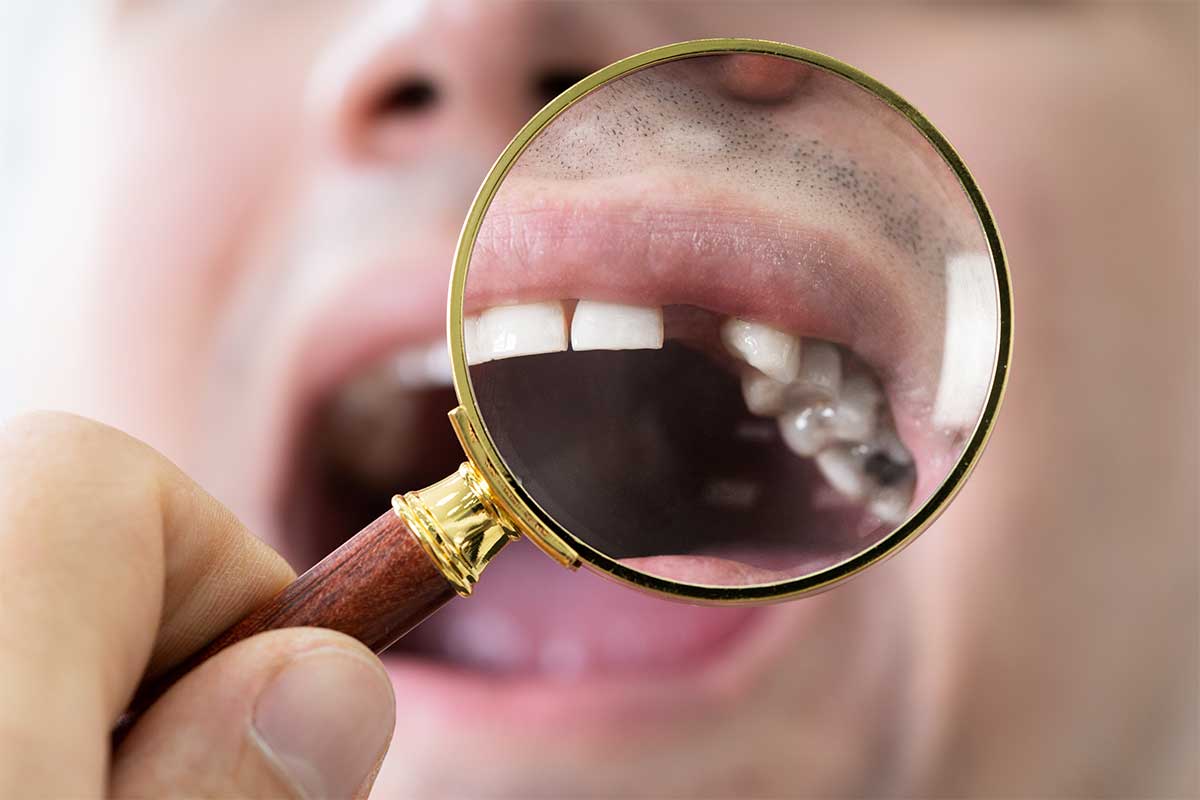
Tooth loss can affect more than just your appearance. It can impact your ability to chew, speak clearly, and feel confident in daily life. Dental implants are a common solution, but they aren’t ideal for everyone. At Radiance Dental in Vancouver, WA, we meet patients every week who are looking for alternatives to implants, whether due to cost, health conditions, or personal preference.
If you’re exploring your options for replacing a missing tooth (or several), you’re in the right place. This guide covers proven, effective ways to restore your smile without surgery or dental implants.
If you’re still considering implants, check out our guide to the best options for replacing missing teeth here.
Why Some Patients Choose Alternatives to Dental Implants
While dental implants offer long-term benefits, they involve surgery, healing time, and higher upfront costs. Some patients may not be candidates for implants due to health conditions such as uncontrolled diabetes, autoimmune diseases, or issues with healing. Others may have experienced bone loss in the jaw and prefer to avoid grafting procedures.
Many want a quicker, non-invasive solution that still allows them to smile, eat, and speak comfortably. With years of experience providing restorative dentistry, Dr. Bharathi Charugundla, DMD, helps patients choose the most appropriate treatment plan for their health and goals, even when implants aren’t an option.
Who Might Need Non-Implant Tooth Replacement Options?
There are a variety of reasons someone may seek tooth replacement without implants:
- Medical limitations: Certain health conditions may prevent safe healing after surgery.
- Bone loss: A lack of jawbone density makes implants less viable without added procedures.
- Financial factors: Non-implant options are typically more affordable and may be covered by dental insurance.
- Timing: Non-surgical solutions can often be completed more quickly.
- Personal preference: Some people prefer a removable or less invasive solution.
Dr. Bharathi and the team at Radiance Dental take time to educate each patient, reviewing their dental history, X-rays, and current health to determine the safest and most effective replacement option.
Fixed Dental Bridges
A dental bridge is a long-standing, trusted method for replacing one or more missing teeth. It works by anchoring an artificial tooth (called a pontic) to the natural teeth on either side of the gap. These supporting teeth are crowned to hold the bridge in place.
Types of Bridges:
- Traditional Bridge: Crowns are placed on both adjacent teeth.
- Cantilever Bridge: Supported by only one tooth (used less commonly).
- Maryland Bridge: Uses metal or porcelain “wings” bonded to the back of nearby teeth.
Advantages:
- No surgery required
- Quick turnaround usually 2 to 3 visits
- Natural look and feel
- Strong enough to restore chewing ability
Considerations:
A bridge requires modifying the adjacent teeth to hold the restoration in place. If those teeth are healthy, that may be a trade-off. However, bridges can last a decade or more when placed properly and cared for well.
Patient Story: Choosing a Bridge After a Sports Injury
(Name changed for privacy)
When James, a 43-year-old patient from Camas, visited Radiance Dental, he had recently lost a front tooth during a pickup basketball game at the Clark County YMCA. He was concerned about how quickly he could restore his smile, especially since he frequently met with clients for work.
After reviewing his X-rays and medical history, Dr. Bharathi determined that James wasn’t an ideal candidate for a dental implant due to minor bone loss in the area and the time constraints he was under. He wanted something that would look natural, be functional, and not involve a lengthy healing process.
Together, they chose a fixed dental bridge. Within just a few visits, James had a natural-looking restoration that matched his adjacent teeth perfectly. He was able to return to work and social events without feeling self-conscious and without undergoing surgery.
“I had no idea a bridge could look this natural,” James shared. “Dr. Bharathi and the team really took the time to walk me through everything.” – James, Patient.
Partial Dentures
Partial dentures are removable appliances designed to replace multiple missing teeth in the upper or lower jaw. They are custom-fabricated to fit around the remaining natural teeth and are held in place by metal clasps or precision attachments.
Benefits of Partial Dentures:
- Affordable and insurance-friendly
- No surgery or alteration to existing teeth is required
- Can be modified over time if more teeth are lost
- Lightweight and easy to remove for cleaning
Partial dentures take a short adjustment period, but most patients find them comfortable and reliable after a few weeks. They’re a solid option for anyone missing multiple teeth who doesn’t want a fixed solution.
Full Dentures for Complete Tooth Loss
For patients missing all teeth in an arch, full dentures provide a complete restoration. These appliances sit on the gums and are designed to closely match the shape of your mouth for improved comfort and fit.
Modern complete dentures are much more advanced than in the past, with materials that mimic the appearance of natural teeth and gums.
What to Expect:
- Several appointments to create a precise, comfortable fit
- Adjustments to ensure proper alignment and bite
- Improved ability to eat, speak, and smile confidently
Though removable, full dentures can significantly improve the quality of life for individuals with total tooth loss.
Flipper Teeth and Temporary Tooth Options
If you’ve recently had a tooth extracted or are planning a future bridge or denture, a flipper tooth may be recommended as a temporary solution. A flipper is a small, removable acrylic appliance that holds one or more artificial teeth in place for cosmetic and functional purposes.
Why Flippers Work:
- Ideal for use during healing periods
- Prevent surrounding teeth from shifting
- Provide a natural-looking smile in the meantime
- Easy to make and cost-effective
Flippers are not meant for long-term use, but they can be incredibly helpful during transitions in your treatment plan.
How to Decide Which Option Is Right for You
The best solution for tooth replacement without implants depends on your oral health, the number of teeth missing, and your long-term goals. At Radiance Dental, we’ll guide you through a comprehensive evaluation to consider:
- How many teeth are missing and where
- The health of your surrounding teeth and gums
- Your comfort level with fixed vs. removable appliances
- Your budget and insurance benefits
- Whether you’re seeking a short-term or long-term solution
Together, we’ll find the option that restores your function, maintains your health, and gives you confidence in your smile.
FAQs About Non-Implant Tooth Replacement Options
What is the most affordable way to replace a missing tooth?
A flipper or acrylic partial denture is usually the most budget-friendly choice, though it may not offer the same durability as other options.
Do dental bridges last as long as implants?
Bridges can last 10–15 years or more with proper care. While implants often last longer, bridges are a great non-surgical solution for many patients.
Can I eat normally with a bridge or denture?
Yes. Most people adjust to eating with these appliances after a brief adaptation period. Soft foods are recommended at first, with more variety added as comfort improves.
How long does it take to get a bridge or denture?
Bridges usually take 2–3 visits. Dentures may take 3–5 visits, depending on the design and fitting process.
Is a flipper just for looks, or can I eat with it?
Flippers are mostly for aesthetics and light function. They aren’t meant for chewing tough or sticky foods and are best used temporarily.
Why Vancouver, WA Patients Choose Radiance Dental
Patients across Vancouver and Camas choose Radiance Dental because of our commitment to personalized care and patient comfort. Dr. Bharathi Charugundla, DMD, offers years of experience in restorative dentistry, gentle techniques, and advanced materials to restore smiles beautifully without surgery.
Whether you need a quick solution or a long-lasting restoration, we take the time to explain your options and help you feel confident every step of the way.
Restore Your Smile No Implants Needed
Missing teeth don’t have to hold you back, and you don’t need dental implants to enjoy a full, functional smile. Let us help you find a solution that fits your goals, lifestyle, and comfort.